Campaign field guide
Campaign Tips for Busy Gaming Groups
A memorable campaign does not require constant availability. It needs a lightweight habit for closing one session, keeping the story visible, and making the next gathering easy to join.
Use this guide when your group has irregular schedules, several conversations happening at once, or a story that is beginning to sprawl. The aim is not to document every detail. It is to preserve the details that help people make decisions together.
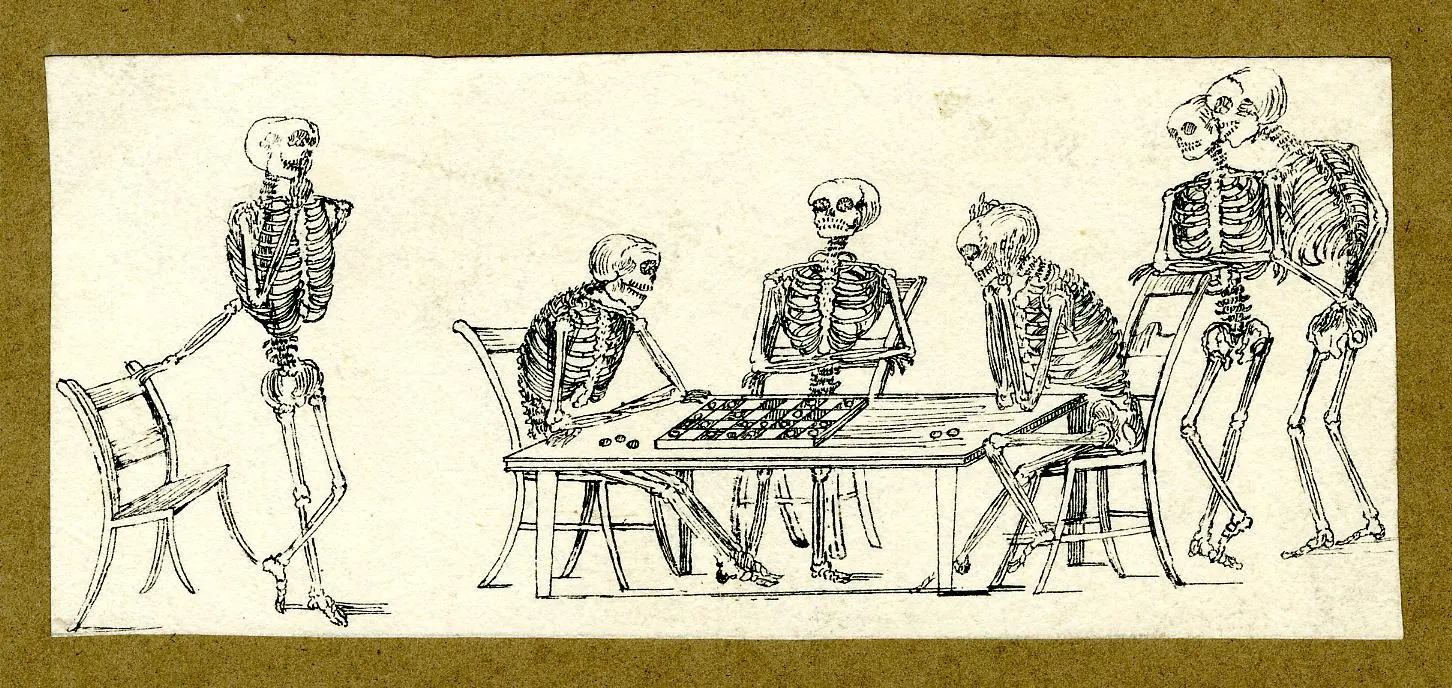
A repeatable five-minute reset
Close the session while everyone still remembers it.
Before people pack away the dice or close the game, capture a small shared record. Assign one person to write, but let the whole group supply corrections and emphasis.
- Name the turning point. Write one or two sentences about the decision, discovery, or setback that changed the situation.
- List the active threads. Record unfinished problems, promised meetings, important clues, and places the group may return to.
- Mark the party’s position. Note where the characters ended, what resources changed, and any immediate danger or opportunity.
- Keep player intentions visible. Add a short note for each player about what their character wants to pursue, protect, question, or avoid.
- Choose a likely opening. Suggest the first scene or decision for next time without treating it as a binding agenda.
Short notes are easier to trust and update than a perfect transcript. If a detail does not affect a future choice, leave it out or place it in a lower-priority reference area.
Before the next game night
Plan for a useful beginning, not a packed schedule.
Busy groups benefit from a clear first move. Share a simple session shape in advance: a brief recap, the opening situation, one primary objective, and any preparation that is genuinely necessary.
Set a minimum viable session
Decide what progress would make the gathering feel worthwhile even if time runs short. It might be reaching a location, resolving one negotiation, learning the answer to a question, or giving every character one meaningful choice.
Separate essentials from invitations
Put required materials and facts first. Keep optional theories, side locations, and ambitious tactical plans clearly marked as possibilities. This protects the group from feeling behind before play has started.
Leave a handoff note
If the usual organizer cannot attend, another player should be able to open the campaign record and understand what the group can do next. A visible “current situation” paragraph is often more useful than several pages of background.
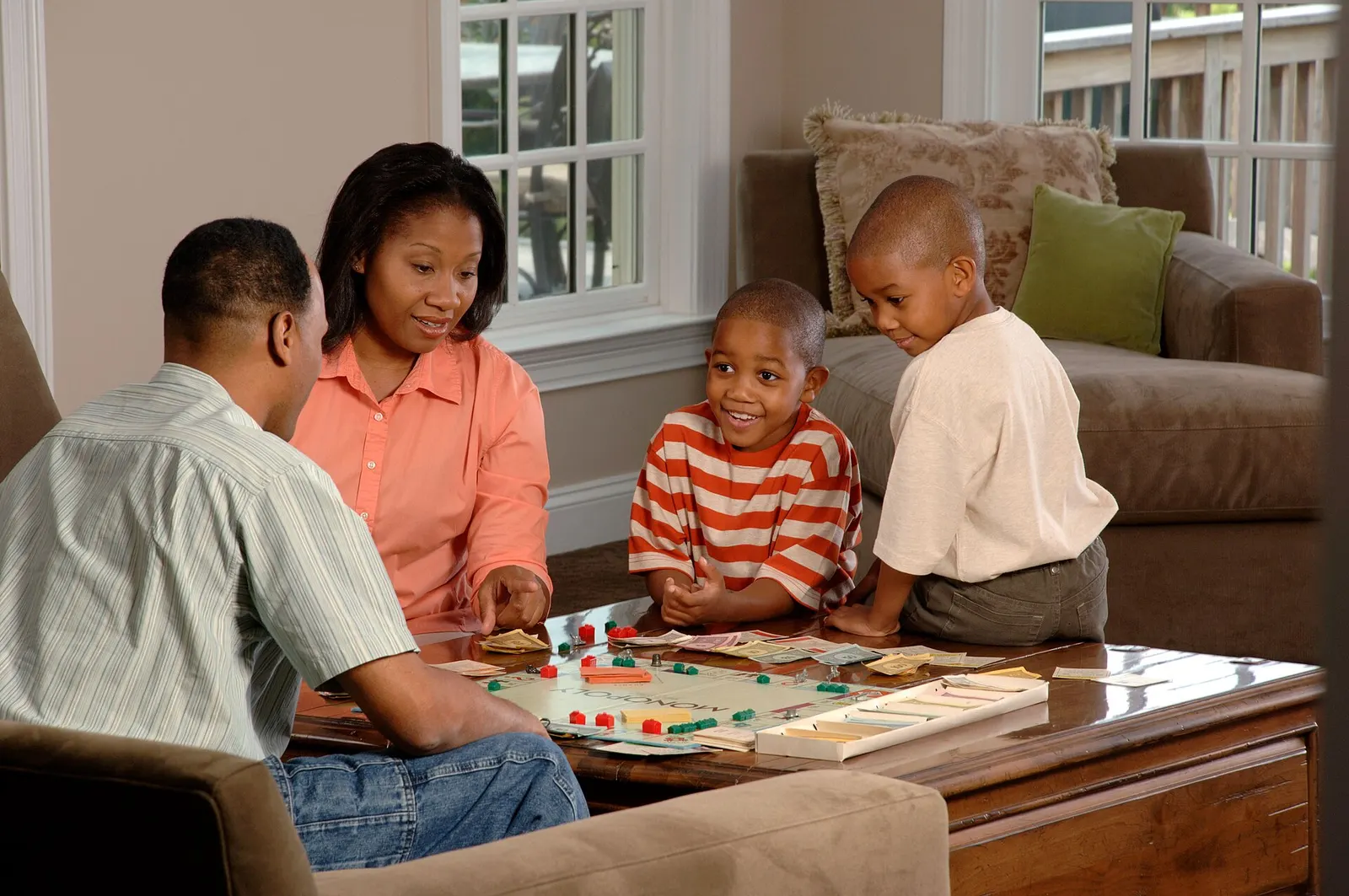
Keep the campaign shared
Make room for different kinds of participation.
A campaign stays welcoming when contribution is not measured only by speaking first, knowing the rules, or making the boldest plan. Build several ways for players to shape the story.
- Invite each player to name one detail their character noticed or cares about.
- Record unanswered questions without demanding an immediate theory from the group.
- Ask before turning a player’s suggestion into a permanent fact about their character.
- Use clear labels for confirmed events, group assumptions, and open possibilities.
- When someone misses a session, offer a concise recap and an easy way to re-enter rather than making them reconstruct every conversation.
The best campaign record supports curiosity without becoming a test. Keep it open to correction, credit ideas to the people who offered them, and let the next session revise what seemed certain before.